In Southwest Florida, climate control is often thought of as simply keeping the home cool. But temperature is only part of the equation. Humidity plays an equally important—and often overlooked—role in comfort, material performance, and long-term maintenance.
In condominium remodels especially, where mechanical systems are constrained and homes are tightly sealed, proper climate control becomes a critical design decision rather than just a mechanical one.
Temperature Alone Doesn’t Define Comfort
Many homeowners are surprised to learn that a space can feel uncomfortable even when the thermostat reads 72°F. That’s because high humidity prevents moisture from evaporating off your skin, making the air feel heavy or clammy.
A common culprit is an oversized air-conditioning system. Oversized units cool the air quickly but shut off before removing enough moisture. The space reaches the target temperature, but humidity remains high. Occupants often respond by lowering the thermostat further, which increases energy use without actually improving comfort.
True comfort comes from the right balance of:
- Air temperature
- Relative humidity
- Air movement
When that balance is off, people feel it immediately.
How Humidity Affects Finished Materials
High indoor humidity doesn’t just affect how a home feels—it affects how it ages.
Flooring and Wood-Based Products
- Wood and wood-based materials naturally absorb moisture from the air.
- Prolonged humidity can lead to expansion, cupping, edge swelling, or joint movement.
- Seasonal changes become more pronounced when humidity isn’t controlled.
Cabinetry and Millwork
- Cabinet boxes, doors, and panels can subtly swell or distort over time.
- Painted finishes may crack at joints or show premature wear.
- Hinges, slides, and soft-close hardware are more prone to corrosion in humid conditions.
Paints and Coatings
- High humidity slows curing and drying.
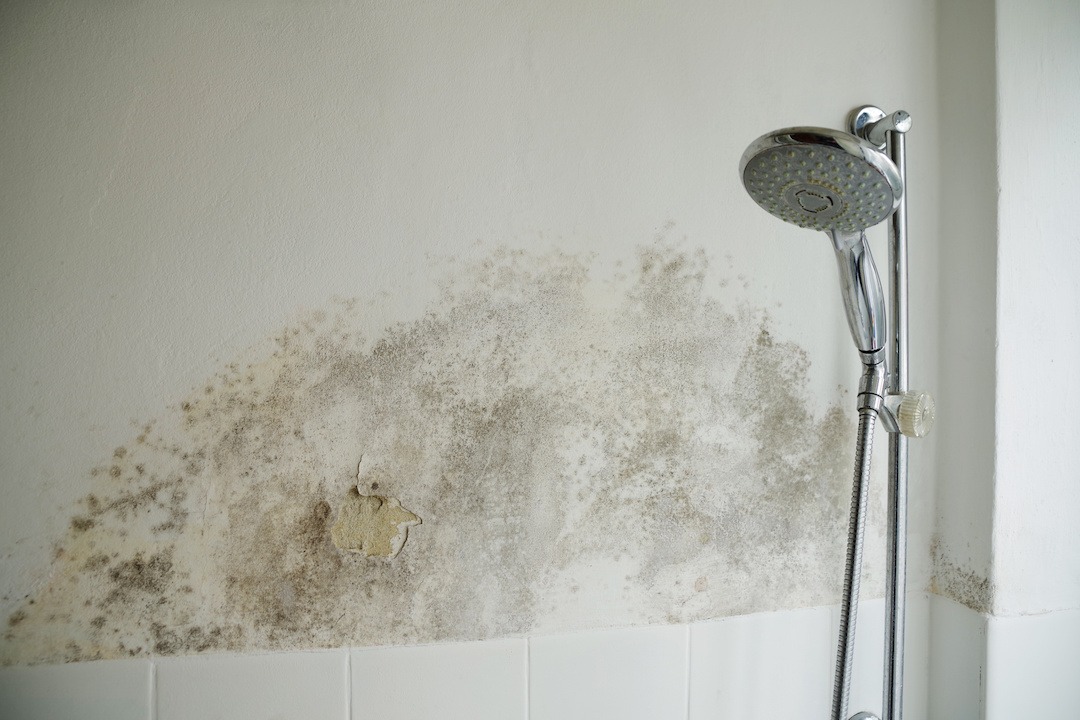
- Moisture trapped at surfaces can contribute to peeling, blistering, or discoloration, particularly in bathrooms and laundry areas.
These issues rarely show up immediately. Instead, they appear gradually, often long after a remodel is complete.
Bathrooms, Showers, and Lingering Moisture
Bathrooms are one of the clearest examples of why humidity control matters in Southwest Florida.
When indoor humidity is already high:
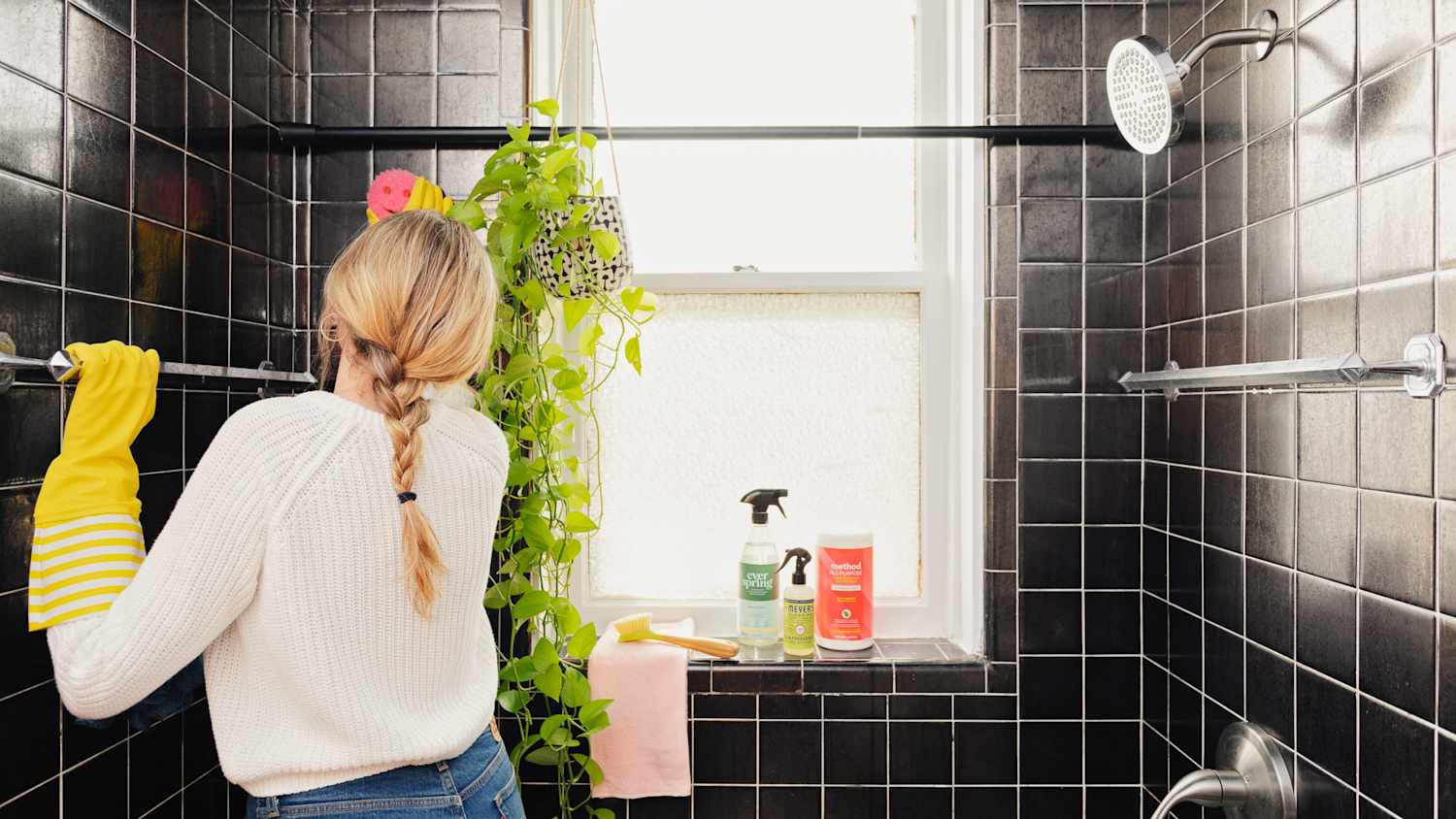
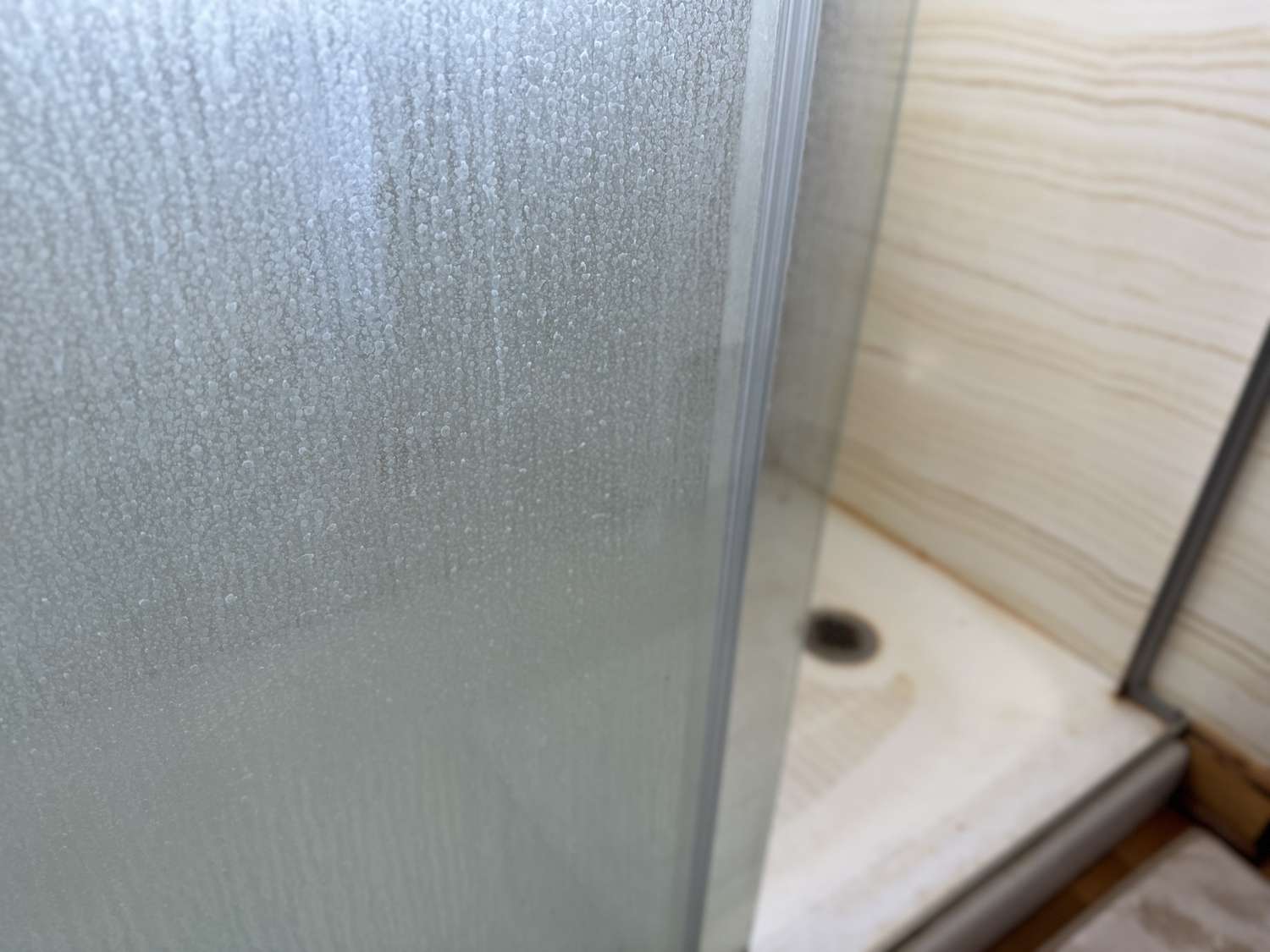
- Shower walls, grout, glass, and fixtures stay wet longer
- Moisture does not evaporate efficiently between uses
- Surfaces become more susceptible to biofilm, mildew, and mold growth
While exhaust fans are essential, they are not a cure-all. If the overall indoor air remains humid, moisture simply doesn’t have anywhere to go. Proper climate control allows bathrooms to dry naturally after use, reducing cleaning demands and long-term deterioration.
The Long-Term Cost of Poor Humidity Control
Uncontrolled humidity tends to cause slow, cumulative damage, including:
- Higher maintenance requirements
- Shorter lifespan of finishes and materials
- Increased likelihood of repairs or premature replacement
In condominium buildings—where owners may leave units unoccupied for weeks or months—humidity problems can quietly develop before anyone notices.
Bringing in Fresh Air the Right Way: ERVs
Fresh air is essential for a healthy home, but in Southwest Florida, introducing outside air without a plan can create more problems than it solves. Outdoor air is often hot, humid, and full of contaminants.
This is where an Energy Recovery Ventilator (ERV) becomes valuable.
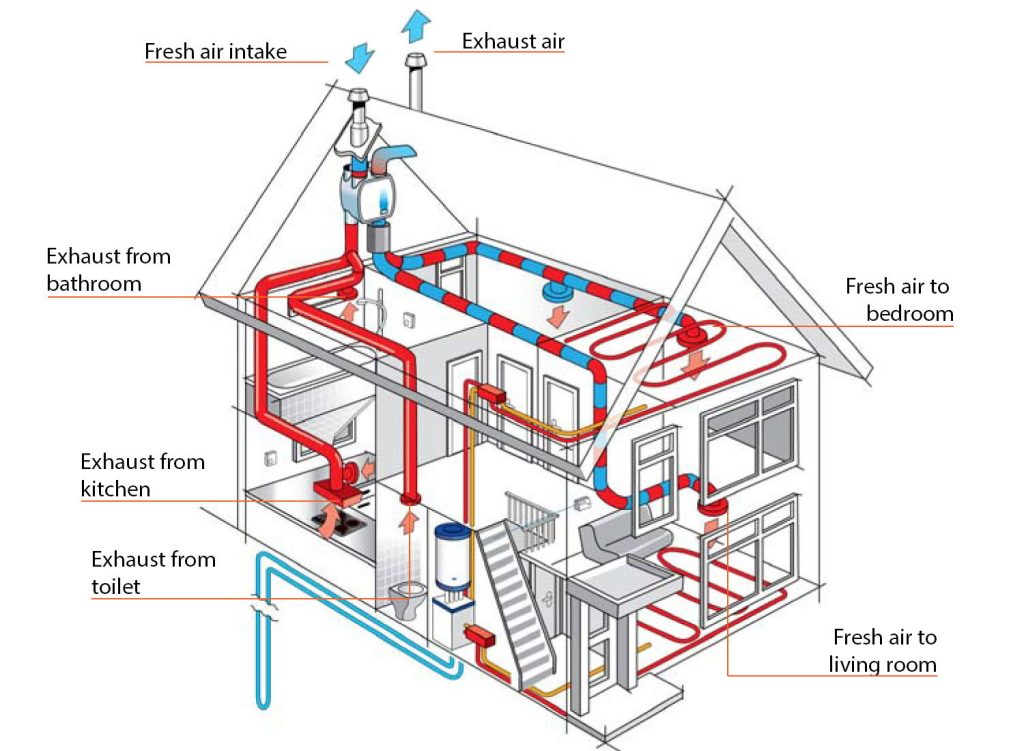
An ERV brings fresh outdoor air into the home while minimizing the impact on temperature and humidity. It does this by transferring energy between the outgoing conditioned air and the incoming fresh air:
- Cooler, drier indoor air helps pre-condition incoming outdoor air
- Heat and moisture loads are reduced before the air enters the living space
- The HVAC system is not overwhelmed by hot, wet air
The result is fresh air without sacrificing comfort or humidity control.
Better Air Quality, Better Living
Controlled fresh air improves indoor air quality in several important ways:
- Reduces CO₂ buildup, which can cause fatigue and stuffiness
- Dilutes VOCs released from cabinetry, finishes, furniture, and cleaning products
- Lowers airborne particulates and indoor contaminants
- Maintains consistent oxygen levels in well-sealed homes
For occupants with asthma, allergies, or other respiratory sensitivities, improved air exchange and lower humidity can make a noticeable difference in daily comfort.
Climate Control Is a Design Decision
Effective climate control doesn’t happen by accident. It starts with:
- Proper system sizing
- Attention to humidity removal, not just cooling
- Thoughtful ventilation strategies
- Material selections suited to a coastal, high-humidity environment
In Southwest Florida condominium remodels, climate control should be treated as a core part of the design and construction process, not an afterthought.
Building for the Environment We Live In
At Naples Build, we design and build with Southwest Florida’s climate in mind. Managing humidity, fresh air, and comfort isn’t just about how a home feels—it’s about protecting finishes, reducing maintenance, and ensuring that remodeled spaces perform well for years to come.
In this environment, doing climate control right makes all the difference.